
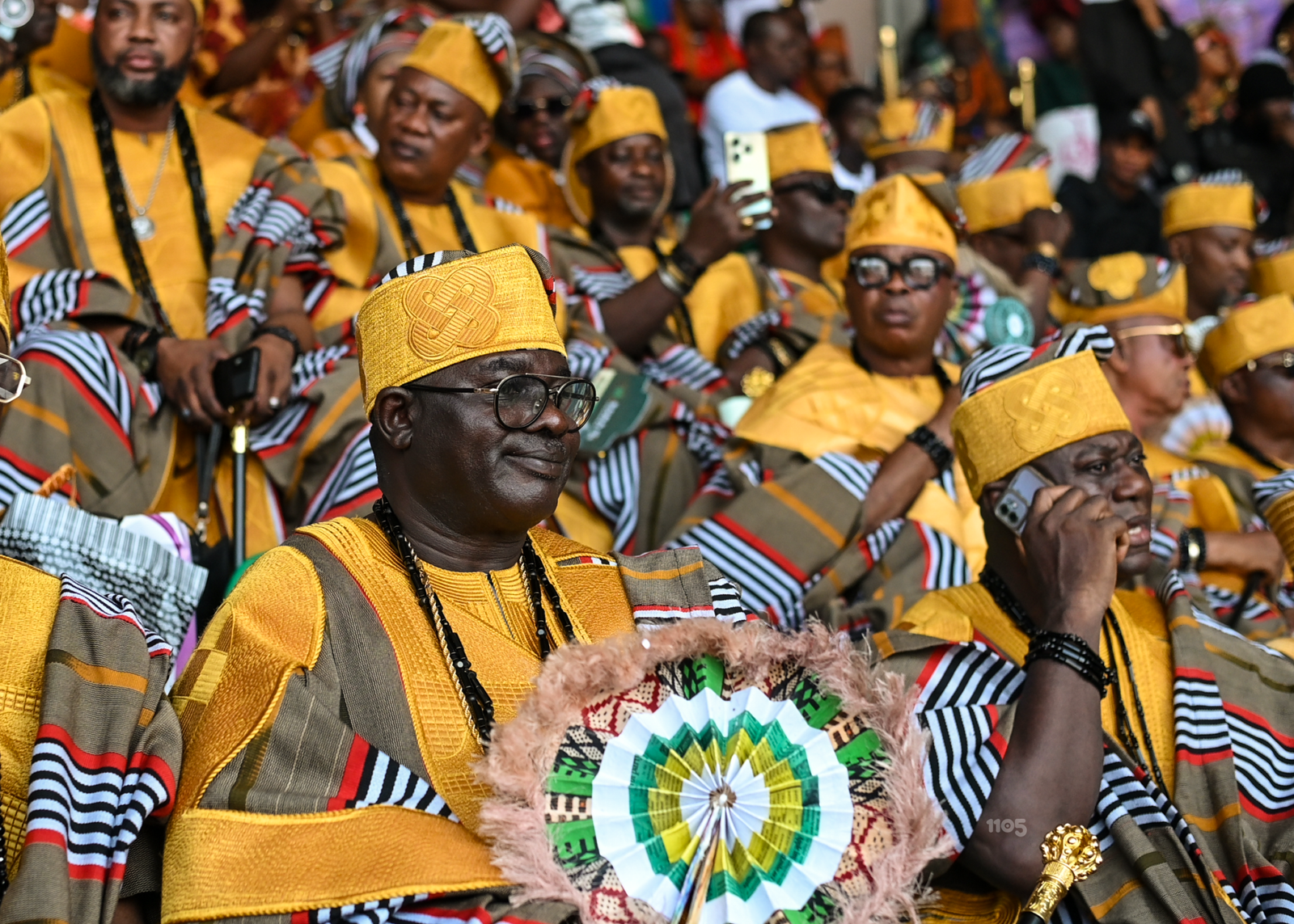
There are events you attend for the moment, and there are experiences that stay with you because they reveal something bigger than themselves. Egbaliganza 2026 (39th Edition of LISABI Festival) was that kind of experience for me.
I did not leave Abeokuta thinking only about the beauty of the festival. I left thinking about structure, meaning, and the future. What stood before me was not just a cultural celebration, but a carefully built experience that showed what is possible when heritage is treated with intention. That is what stayed with me.
Egbaliganza 2026 did not feel like a festival built only for applause. It felt like a system and culture that had been thought through, designed, and positioned not just for those who already understand it, but also for those who are encountering it from a wider global lens. From the atmosphere to the presentation, from the fashion to the visual storytelling, there was a clear sense that this was not simply about gathering people together. It was about projecting identity with confidence.
Walking into Abeokuta during the festival, I was struck by more than the colours, fabrics, and energy. What stood out most was the intention behind everything. There was a visible structure in the way the experience was presented. There was a seriousness in the execution. There was a message in the coordination. It made it impossible to see the event as just another cultural gathering.
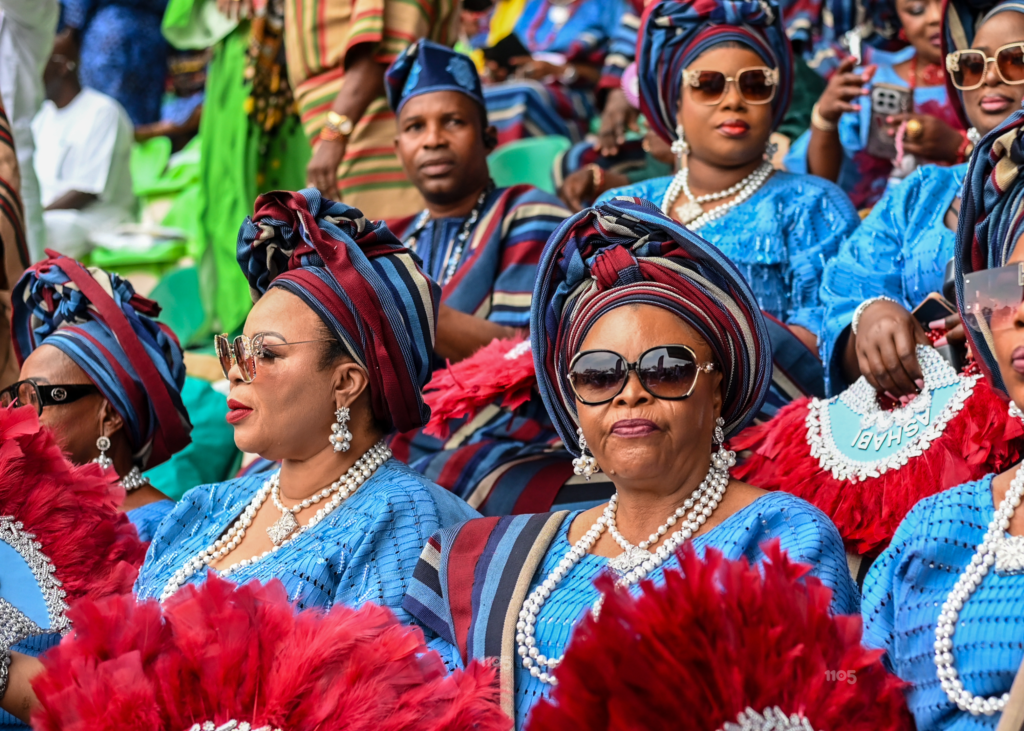
For too long, many of our cultural expressions have existed with great power but without enough structure around them. We have always had the beauty, the story, the identity, but what has often been missing is the system that translates those things into long-term relevance, economic value, and global positioning. Egbaliganza, in many ways, feels like part of a new answer to that gap.
It shows what happens when culture is no longer treated as something static or seasonal, but as something dynamic that can be preserved, projected, and evolved. It shows that heritage does not lose its authenticity because it is well packaged, but intentional presentation gives it greater power, creates access without reducing meaning and allows tradition to breathe in the present while still protecting its roots. What I saw in Abeokuta was culture presented with dignity, but also with ambition.
For a few days, the city felt like more than a location hosting an event. It felt like a cultural capital. It felt like a place where Africa was telling its own story with clarity and control. That is significant because the future of culture will not only depend on what we preserve, but on how well we present it to the world. This mindset gave me a different look toward this year’s LISABI Festival.
I found myself listening to people in real conversations happening within the space, and what I heard revealed something even deeper about what Egbaliganza is becoming. Several people I spoke with mentioned that the level of attention the Lisabi Festival (Egbaliganza) received during its 38th anniversary was what brought them home this year. That visibility created a pull not just curiosity, but connection.
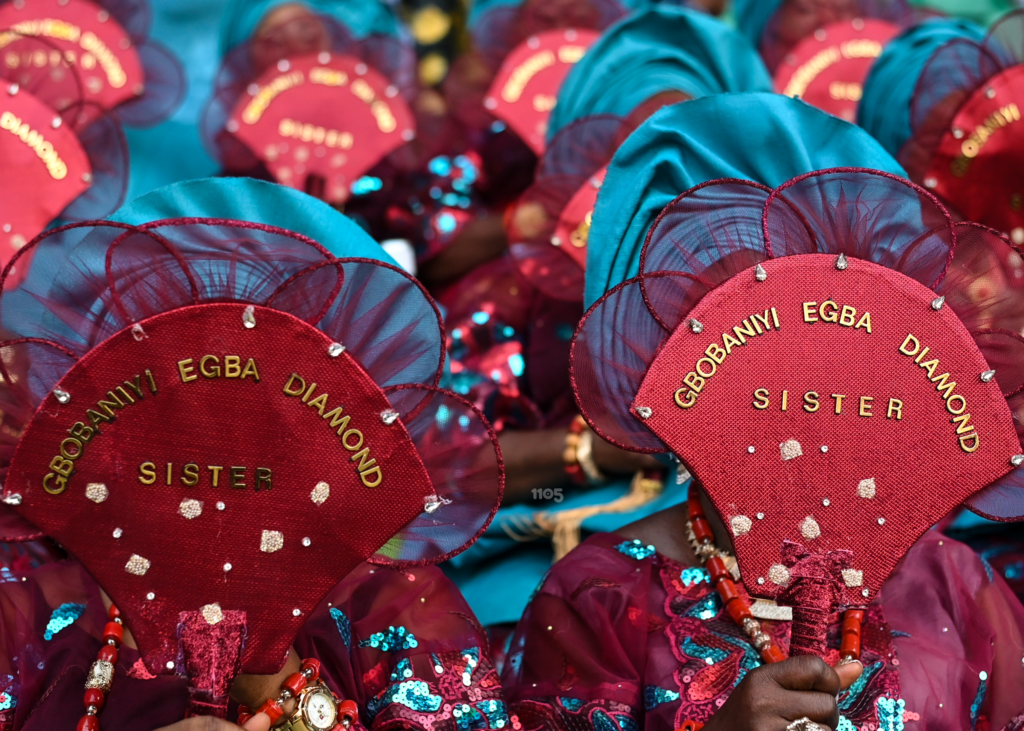
Some of them told me that after experiencing this year’s edition, they had made a personal decision; it was no longer going to be a one-time visit but something they would return to every year. Not just for the festival itself, but for what it represents, a reason to come home. This conversation makes me realise that culture is not just about performance, it is about belonging.
Even more interesting were the stories of identity; few people shared that, before now, many around them didn’t even know they were from Abeokuta but the growing recognition of the festival changed that. It gave them something to proudly associate with, something visible enough to represent where they come from. That is the power of cultural positioning.
Egbaliganza, as it is now known, is a modern expression of the Lisabi Festival. It is not replacing the heritage, it is amplifying it. It is taking something deeply rooted and giving it a contemporary voice that can travel, connect, and grow and in doing that, it is not just preserving culture and restoring identity.
It was not just about the beauty of the outfits or the excitement of the gathering. It was about what all of it represented. Every outfit, every performance, every carefully curated visual carried a deeper statement. Culture is no longer something we can afford to inherit passively, it is something we must actively interpret, protect, and build forward.
As much as everything felt powerful and well-executed at Egbaliganza 2026, it is also important to acknowledge that there is always room for growth. What this year’s edition clearly revealed is that there is a strong presence of young creatives within the system, bringing energy, innovation, ideas, and structure into the space. However, growth of this nature requires patience. Cultural development does not happen overnight.
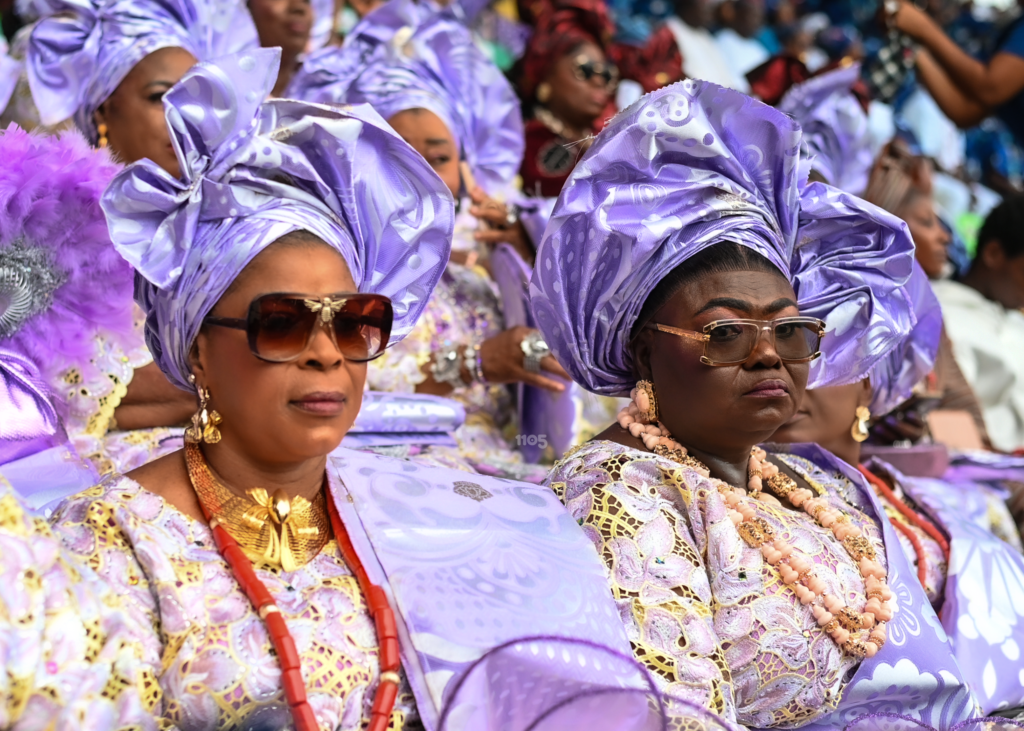
The global recognition of the Ojude Oba Festival did not happen within two or five years. It was built through long-term consistency, layer by layer, over time. That same mindset is necessary here. In 2026, Egbaliganza, there was an abundance of ideas flowing at once, creative directions, concepts, and expressions, but the system is still in the process of fully absorbing and refining them. And that is not a weakness; it is part of growth. What this year has shown is not perfection, but potential. It has shown what becomes possible when culture begins to develop with intention. It has shown how structure, even in its evolving stage, can begin to shape something bigger than the moment itself.
As someone who is building cultural platforms such as Campus Colour Festival and Ijebu Shutdown Party, I could not help but see the parallels. What is happening in Abeokuta is part of a wider shift that is beginning to happen across Nigeria. More cultural builders are starting to move beyond ordinary event planning into something deeper. They are building experiences that shape identity, influence tourism, engage young people, and create economic movement. That shift is important because culture thrives when it is organised.
Behind every strong cultural experience is invisible work, the planning, media, branding, curation and community alignment. These are the things people may not always notice at first glance, but they are often the difference between an event that is enjoyed for a day and a platform that leaves a long-term mark.
Egbaliganza demonstrated that culture can be engineered without becoming artificial, scaled without losing its soul and become global without stopping being local. That balance is not easy, but it is necessary.
We are entering a new era of cultural leadership in Nigeria, and young people are no longer standing at the edge of culture as spectators; they are increasingly becoming designers of experience, interpreters of heritage, and builders of new systems. From Ijebu to Abeokuta to Lagos and beyond, there is a visible transition taking place.
Culture is no longer just something we celebrate; it is something we are beginning to build, and that changes everything